
What Should an Interior Design Proposal Include? A Guide for Costa del Sol Homeowners
When you are comparing interior design studios for a home in Málaga, Marbella or elsewhere on the Costa del Sol, the proposal should make the project easier to understand—not simply give you a total price. This is especially important if the property is a second home, you live abroad or you need the design, furniture and installation to be organised locally.
A clear interior design proposal explains what will be designed, what will be delivered, what you will need to approve and what sits outside the studio’s responsibility. It gives both sides a practical framework before the creative work begins.
1. Start with the result you need
The first section should identify how the property will be used and what the project must achieve. A family home, a seasonal residence and a property prepared for holiday rental may contain the same rooms, but their priorities are different.
The proposal should reflect questions such as:
- Is the property a main residence, second home or investment?
- Will the owners use it year-round or only during certain seasons?
- Does the existing layout work, or is a complete design project needed?
- Is the priority comfort, storage, durability, presentation for sale or ease of maintenance?
- Will the owner be in Spain during the project?
This is the difference between a generic list of rooms and a brief that can guide real design decisions.
2. Define the scope: design, furnishing or full coordination
The word “interior design” can describe very different levels of service. A useful proposal must state which one applies to your property.
If the main layout and finishes can remain, a Furnish & Style service may cover furniture, decorative lighting, textiles, curtains, wallpaper, purchasing, delivery, installation and final styling within the agreed scope.
If the home needs a new layout, material selections, lighting planning, bespoke furniture or a complete redesign, a Turnkey Interior Design project is usually the more appropriate starting point.
The proposal should also list the rooms and outdoor areas included. “Whole home” should not be assumed to include terraces, utility rooms, garages, guest accommodation or external kitchens unless they are named.
3. Identify the design deliverables
Good proposals describe what you will receive, not only the meetings that will take place. Depending on the service, deliverables may include:
- Concept and overall design direction
- Space planning and furniture layouts
- Mood boards and colour palette
- Furniture, lighting, textile and accessory selections
- Material and finish specifications
- Bespoke furniture or kitchen drawings
- 3D views where they are useful for decision-making
- A structured shopping or procurement list
- Installation and styling plan
Not every project needs every deliverable. What matters is that the list matches the decisions that must be made and is clear before work begins.
4. Separate professional fees from the implementation budget
An interior design proposal should distinguish the studio’s professional fees from the money required to execute the approved design.
The implementation budget may include furniture, lighting, curtains, rugs, bespoke joinery, decorative items, delivery, storage, assembly, installation and applicable taxes. Building work and the fees of independent contractors may sit outside the interior design proposal unless specifically included.
This separation helps you compare proposals properly. A lower design fee does not necessarily mean a lower total project cost, just as a larger product budget does not guarantee a more coherent result. The important question is whether the proposed scope and investment level are aligned.
5. Include a realistic timeline and decision points
A reliable programme is built around approvals, lead times and access to the property—not around a single optimistic completion date.
The proposal should indicate the sequence of design stages, when the client must approve each stage and which selections affect later work. Bespoke furniture, kitchens, sofas, curtains and imported pieces often need earlier decisions than accessories and final styling.
For owners who live abroad, it is particularly useful to define:
- When online presentations will take place
- How many revision rounds are included
- When budgets and products must be approved
- Who can access the property for measurements and deliveries
- What happens if the client changes an approved selection
Clear decision dates protect the quality of the design and make the installation period more predictable.
6. Explain coordination and responsibility
This is one of the most important sections for a remote project. The proposal should explain what the studio will coordinate and where responsibility remains with others.
At Costa del Sol Interiors, coordination for furniture, bespoke pieces, decoration, deliveries and installation is carried out within the contracted scope and with the suppliers the studio works with. Independent contractors and trades remain responsible for their own technical execution, safety, working methods and completed works.
This distinction avoids vague expectations and makes it clear who is responsible for each part of the project.
7. Show how remote approvals and updates will work
International owners need visibility without having to manage every conversation. The proposal should describe how selections, costs, approvals and progress will be documented.
A structured client hub, online presentations and written updates allow you to see what is waiting for approval, which items have been ordered and what happens next. The aim is not to send more messages; it is to make each decision traceable and reduce repeated questions.
8. Questions to ask before accepting a proposal
Before you sign, confirm the following:
- Which rooms and areas are included?
- Which drawings, selections and presentations will I receive?
- How many revisions are included at each stage?
- Are purchasing, delivery, installation and styling included or optional?
- Which suppliers will the studio coordinate?
- What is not included?
- How are product costs, transport, storage and taxes presented?
- How are changes after approval handled?
- What information or access is required from me?
A professional proposal should answer these questions without relying on assumptions.
9. What to send when requesting a tailored proposal
The more useful the initial information, the more accurate the proposed scope can be. Include:
- Property location
- Approximate interior and exterior area
- Floor plans, sales plans or recent photographs
- Current condition of the property
- Rooms and services you need help with
- Intended use of the home
- Preferred start or completion date
- Approximate implementation budget
- Whether you live in Spain or will manage the project from abroad
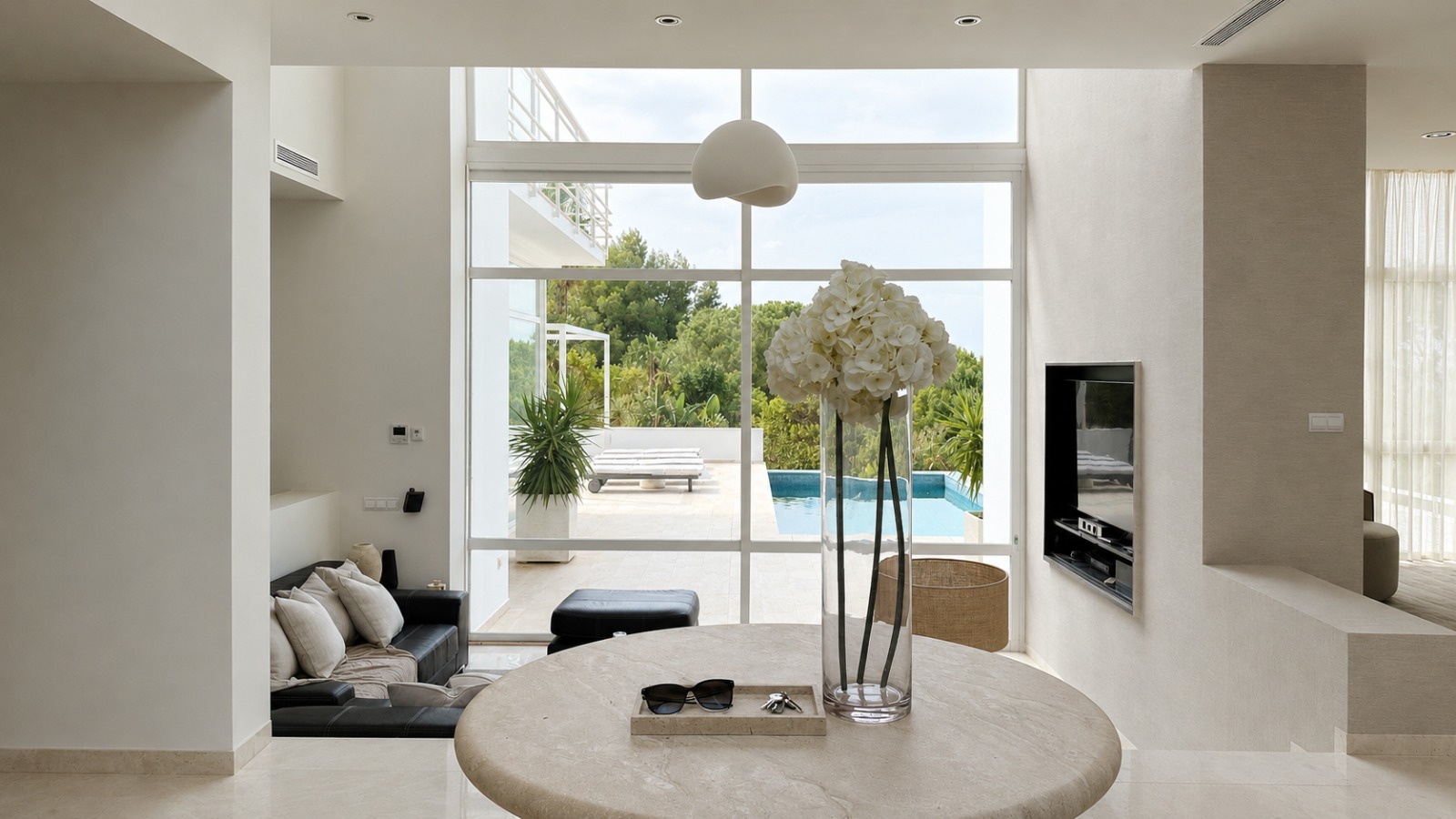
You can also review our interior design projects, including the Golden Hour Residence transformation and this residential interior design project, to identify the level of design and coordination that suits your property.
A clear proposal is the first design decision
The best proposal is not necessarily the longest. It is the one that connects your goals, the design deliverables, the implementation budget, the timeline and the responsibilities of everyone involved.
If you own a property in Málaga, Marbella or elsewhere on the Costa del Sol and want a proposal built around its real needs, tell us about your property. Include its location, size, current condition and preferred completion date, and we will recommend the right next step.